
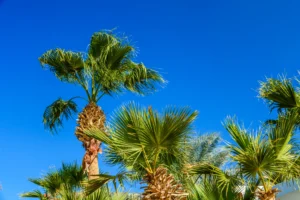
 Sabal palm trees are one of the most recognizable and beloved plants in Florida landscapes. Known for their classic fan-shaped fronds, durability, and ability to thrive in the state’s warm climate, sabal palms have become a popular choice for homeowners throughout the Greater Orlando area. Whether you are designing a new landscape or adding a native Florida touch to your yard, the sabal palmetto is an attractive and low-maintenance option.
Proper planting and care are important to keeping these palms healthy and beautiful for years. From choosing the right location to understanding watering, trimming, and maintenance needs, this guide will help you learn more about sabal palm tree planting and care.
Grasshoppers Landscaping and Grounds Maintenance provides professional landscape services throughout the Greater Orlando area, helping homeowners with expert sabal palm planting, care, and maintenance.
Why Choose a Sabal Palm for Your Landscape?
The sabal palm, also known as the sabal palmetto or cabbage palm, is Florida’s official state tree and one of the most adaptable palms available. Native to Florida and much of the southeastern United States, these palms naturally thrive in the state’s heat, humidity, sandy soils, and changing weather conditions.
Sabal palm trees are popular among Florida homeowners because they offer several benefits, including:
- Sabal palms provide a classic Florida appearance with their fan-shaped fronds that complement many different landscape styles.
- Once established, sabal palms require minimal maintenance compared to many other ornamental palm varieties.
- With proper care, sabal palms can live for many decades, making them a long-lasting addition to your landscape.
- Their strong trunks and flexible structure help them withstand Florida’s challenging weather conditions, including strong winds and storms.
Unlike many other palm varieties, sabal palms grow slowly and develop a thick, sturdy trunk. Their natural growth pattern allows them to maintain their beauty without requiring frequent pruning or extensive maintenance.
How to Know if a Sabal Palm Is Right for Your Yard
Sabal palms are an excellent choice for homeowners looking for a durable, native Florida tree that adds height, texture, and character to their landscape. However, their mature size and growth habits should be considered before planting.
A sabal palm may be a good fit if your yard has:
- Plenty of sunlight throughout the day
- Well-draining soil
- Enough space for the palm’s mature size
- A landscape design that benefits from a tropical or native Florida appearance
Because sabal palms can grow large over time, homeowners should consider their future size before planting near structures, walkways, or utility lines.
Sabal Palm Tree Planting Guide
Proper planting is the foundation of healthy sabal palm growth. While these palms are naturally hardy, selecting the right location and planting correctly will help encourage strong roots and long-term health.
Palm tree planting can be done throughout much of the year in Florida, but spring and summer are often ideal because warmer temperatures encourage active root growth.
When planting a sabal palm, consider these tips:
- Choose a location with full sun exposure.
- Plant in well-draining soil to help prevent root problems.
- Avoid planting too deeply, as the root ball should remain close to its original soil level.
- Add mulch around the base to help retain moisture and regulate soil temperature.
- Keep mulch several inches away from the trunk to prevent excess moisture buildup.
Sabal palms are highly adaptable and can tolerate many Florida soil conditions, but they perform best in areas where water drains properly.
When watering your sabal palm, check the soil several inches below the surface. If it feels dry, additional water may be needed.
 Sabal Palm Tree Trimming Tips
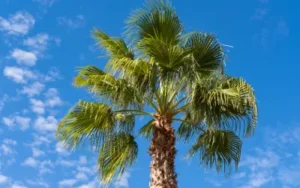 Sabal Palm Tree Trimming Tips
Sabal palm tree trimming should be performed carefully to protect the health and appearance of the palm. Unlike some ornamental palms, sabals do not need frequent pruning. Removing too many green fronds can weaken the palm and limit its ability to produce energy.
Most sabal palms only need trimming when dead, damaged, or declining fronds need to be removed. Over-pruning, often called “hurricane cutting,” can harm the palm and should be avoided.
When trimming sabal palms:
- Remove only dead, damaged, or hazardous fronds.
- Avoid removing healthy green fronds.
- Do not damage the trunk during trimming.
- Use proper equipment to safely remove large fronds.
Professional palm tree trimming helps maintain a neat appearance while protecting the long-term health of your palm.
Disposing of Sabal Palm Fronds
Sabal palm fronds can become large, heavy, and difficult to handle after removal. Proper disposal helps keep your landscape clean and prevents old plant material from becoming an eyesore.
Homeowners can:
- Cut smaller fronds into manageable pieces if allowed by local yard waste guidelines.
- Use professional landscaping services for removal and cleanup.
- Repurpose smaller pieces as natural mulch when appropriate.
Common Sabal Palm Diseases and Pests
Although sabal palms are extremely hardy, they can still experience occasional health issues. Regular inspections can help identify problems before they become severe.
Common concerns include:
- Yellowing or discolored fronds may indicate a nutrient deficiency or a lack of essential elements needed for healthy growth.
- Poor drainage or excessive moisture around the root system can contribute to fungal problems and other health issues.
- Palm weevils can damage palm tissue and may threaten the overall health of a sabal palm if left untreated.
- Scale insects can feed on plant tissue and cause stress or decline in the palm’s appearance and health.
Professional Sabal Palm Care in Florida
Sabal palm trees are a beautiful and resilient addition to Florida landscapes. With proper planting, watering, and trimming, these native palms can provide beauty and structure for many years.
Grasshoppers Landscaping and Grounds Maintenance provides expert landscape services throughout the Greater Orlando area. From planting sabal palm trees to ongoing care and trimming, our team can help homeowners maintain a healthy and attractive Florida landscape.
For professional sabal palm tree planting and care in Greater Orlando, contact Grasshoppers Landscaping and Grounds Maintenance today.