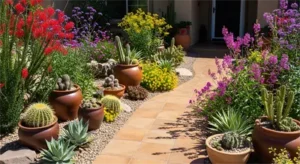
 Creating a beautiful Florida landscape doesn’t have to require constantly watering, mowing, or replacing your struggling plants. Drought resistant landscaping focuses on choosing plants that thrive in Florida’s heat, humidity, sandy soils, and occasional dry periods, while requiring less maintenance and irrigation over time.
Whether you’re redesigning your yard or improving an existing xeriscape, selecting the right drought tolerant plants can help reduce your water usage, lower maintenance demands, and keep your property looking vibrant throughout the year.
Grasshoppers’s landscaping services help homeowners build functional, attractive outdoor spaces that are specially designed for Florida’s climate.
Why Choose Drought Resistant Landscaping?
Drought resistant landscaping offers several long-term benefits for Florida homeowners:
- Reduced water usage and irrigation costs
- Lower maintenance requirements
- Improved resistance to heat and dry conditions
- Better adaptability to sandy or rocky soils
- Reduced erosion and runoff
- Attractive year-round curb appeal
Many drought tolerant plants also attract pollinators such as butterflies and bees, but remain resilient during seasonal weather fluctuation. For an overview of water-efficient landscape design, visit our Xeriscaping page.
 Perennial Peanut
 Perennial Peanut
Perennial peanut is a short ground cover known for its bright yellow flowers and excellent drought tolerance.
- Best Time to Plant: Spring through early summer
- Water Requirements: Requires regular watering during its growth period but becomes highly drought tolerant afterward.
- Maintenance Needs: Minimal mowing and occasional trimming to maintain a tidy appearance.
- Best Growing Conditions: Full sun and sandy soil
Sunshine Mimosa
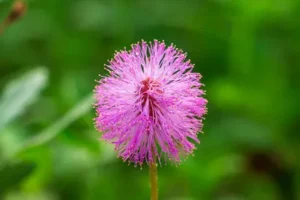 Sunshine Mimosa
This native ground cover produces soft pink flowers and delicate fern-like foliage.
- Best Time to Plant: Spring and fall
- Water Requirements: Doesn’t need much water once established.
- Maintenance Needs: Occasional trimming to prevent it from spreading.
- Best Growing Conditions: Full sun with well-drained soil
Asiatic Jasmine
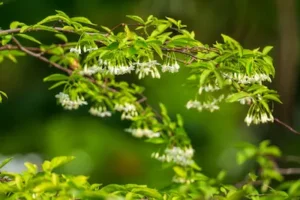 Asiatic Jasmine
Asiatic jasmine is a dense evergreen ground cover, often used in low-maintenance landscapes.
- Best Time to Plant: Spring or early fall
- Water Requirements: Moderate watering initially, then occasional watering during dry periods.
- Maintenance Needs: Periodic edging and trimming.
- Best Growing Conditions: Partial shade to full sun
Blanket Flower
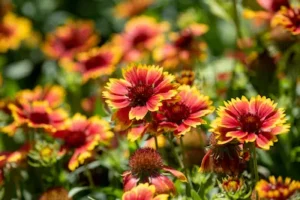 Blanket Flower
Blanket flowers produce long-lasting red and yellow flowers that can tolerate intense heat.
- Best Time to Plant: Spring
- Water Requirements: Very low once established.
- Maintenance Needs: Removing dead blooms encourages new flowering.
- Best Growing Conditions: Full sun and well-drained soil
Firebush
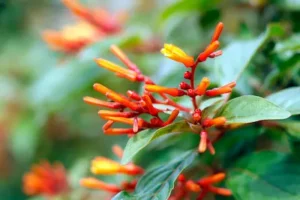 Firebush
Firebush is a Florida favorite, known for its bright red-orange flowers and ability to attract hummingbirds and butterflies.
- Best Time to Plant: Spring through early summer
- Water Requirements: Low to moderate.
- Maintenance Needs: Occasional pruning to maintain shape.
- Best Growing Conditions: Full sun to partial shade
 Blue Daze
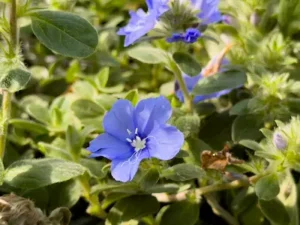 Blue Daze
Blue daze is a low-growing flowering plant with soft blue blooms that thrive in sunny conditions.
- Best Time to Plant: Spring
- Water Requirements: Low watering needs once established.
- Maintenance Needs: Light trimming to encourage fuller growth.
- Best Growing Conditions: Full sun and well-drained soil
Simpson’s Stopper
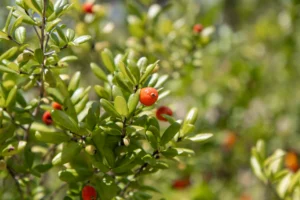 Simpson’s Stopper
This Florida native shrub tolerates drought and produces white flowers with red berries.
- Best Time to Plant: Spring or fall
- Water Requirements: Low once mature.
- Maintenance Needs: Occasional shaping and pruning.
- Best Growing Conditions: Full sun to partial shade
Coontie
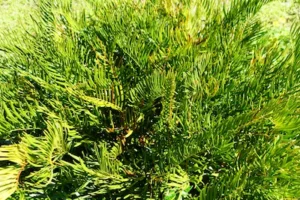 Coontie
Coontie is a hardy native plant with palm-like foliage that performs well in low-water landscapes.
- Best Time to Plant: Spring
- Water Requirements: Minimal once established.
- Maintenance Needs: Very low maintenance overall.
- Best Growing Conditions: Sandy soils with partial sun or shade
Podocarpus
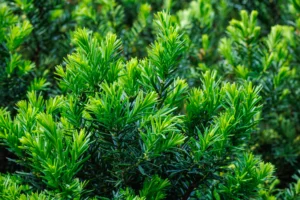 Podocarpus
Podocarpus is commonly used for drought tolerant privacy hedges and screening.
- Best Time to Plant: Spring or fall
- Water Requirements: Moderate during establishment, then low to moderate.
- Maintenance Needs: Routine hedge trimming to shape properly.
- Best Growing Conditions: Full sun to partial shade
Southern Live Oak
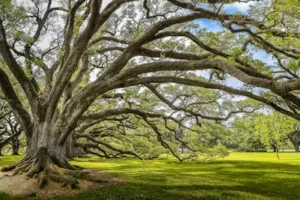 Southern Live Oak
Southern live oaks are highly durable shade trees that tolerate drought conditions once established.
- Best Time to Plant: Fall through early spring
- Water Requirements: Low after establishment.
- Maintenance Needs: Periodic structural pruning.
- Best Growing Conditions: Large open areas with full sun
Crape Myrtle
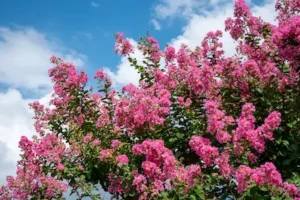 Crape Myrtle
Crape myrtles are valued for their colorful blooms, peeling bark, and strong heat tolerance.
- Best Time to Plant: Late fall through spring
- Water Requirements: Low to moderate.
- Maintenance Needs: Light annual pruning.
- Best Growing Conditions: Full sun
Sabal Palm
 Sabal Palm
Florida’s state tree is naturally adapted to heat, humidity, and dry periods.
- Best Time to Plant: Spring or summer
- Water Requirements: Low once established.
- Maintenance Needs: Occasional frond removal.
- Best Growing Conditions: Full sun and well-drained soil